

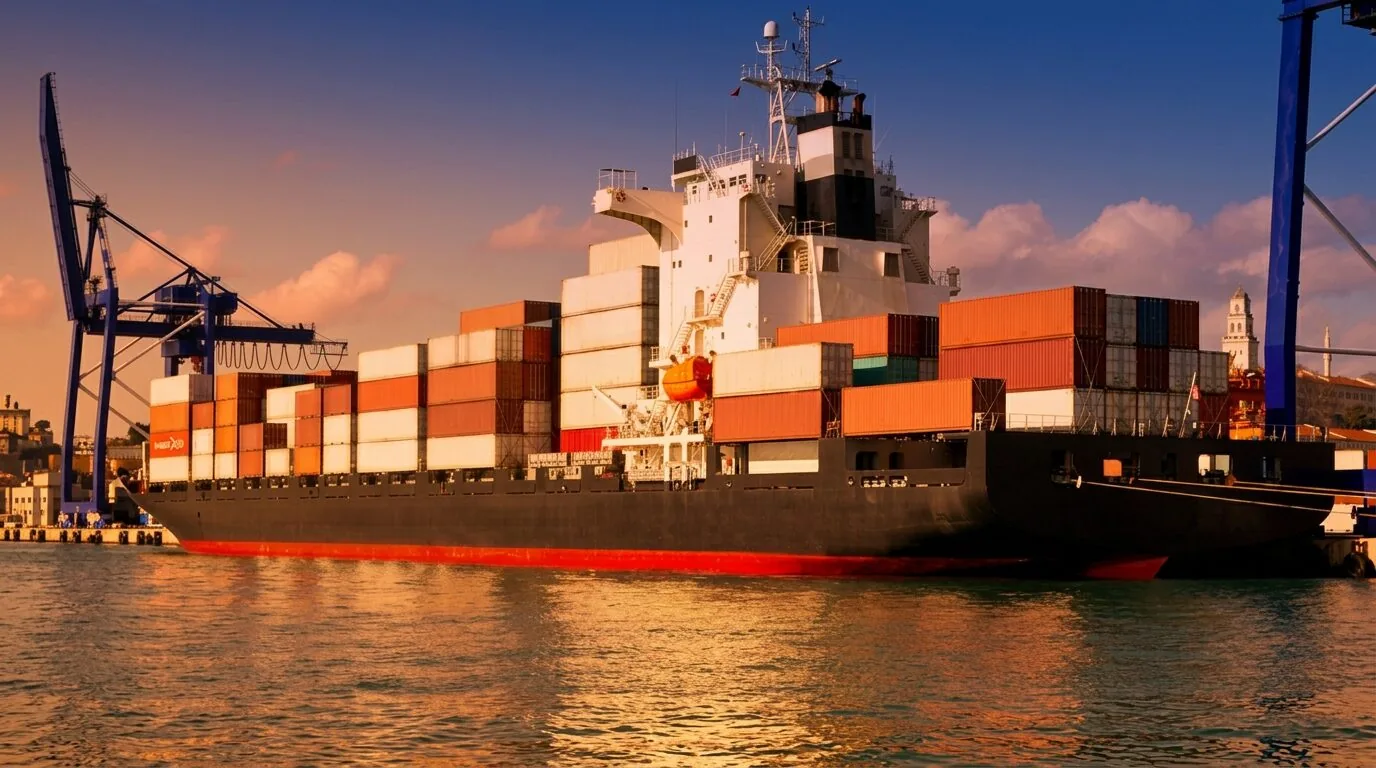
Bunker fuel costs are climbing again — here is what shippers need to know about surcharges, slow steaming and how to keep freight budgets predictable.
Why fuel matters more than ever
Bunker fuel can account for 50–60% of a vessel's operating cost on a typical trans-Tasman or coastal run. When prices move, the entire freight market follows — usually within a single billing cycle.
Over the last quarter we have seen VLSFO (very low sulphur fuel oil) prices climb steadily, driven by tight refinery output, geopolitical pressure on crude, and stricter IMO 2020 sulphur rules that limit the cheaper alternatives carriers used to lean on.
What this looks like on your invoice
Most carriers pass fuel volatility through as a Bunker Adjustment Factor (BAF) or fuel surcharge. When fuel spikes, expect:
- Higher BAF line items on container and breakbulk bookings
- Reviewed rates on long-term contracts, often quarterly
- Tighter free-time and demurrage windows as carriers protect margins
- Fewer last-minute space allocations on popular sailings
Slow steaming is back
To offset fuel costs, more operators are reducing vessel speeds — sometimes by 2–4 knots. The trade-off is simple: lower fuel burn, longer transit times. For shippers this means plan for an extra 1–3 days on some routes and build that buffer into customer commitments.
What you can do
- Book earlier. Locking space 2–3 weeks ahead protects you from spot-rate spikes.
- Consolidate where possible. A full container or trailer absorbs surcharges far better than part loads.
- Review your Incoterms. If you are buying CIF, you are paying someone else's fuel margin. EXW or FOB gives you control.
- Talk to us early. We monitor BAF movements weekly and can flag when a route is about to repricing.
Fuel volatility is not going away. The shippers who do best are the ones who treat it as a planning input, not a surprise.